top of page

Handmade Pottery  for Your Home

Artisan Ceramic Pieces

Experience our unique collection of practical ceramics, designed with tranquility. Every item is one-of-a-kind, adding the cozy charm of artisan pottery to your space.
Available pieces

Explore the latest collection of handcrafted ceramics, ready to find a new home. Each piece is unique and sustainably made.

Pottery Crafting Hands

slab built pots

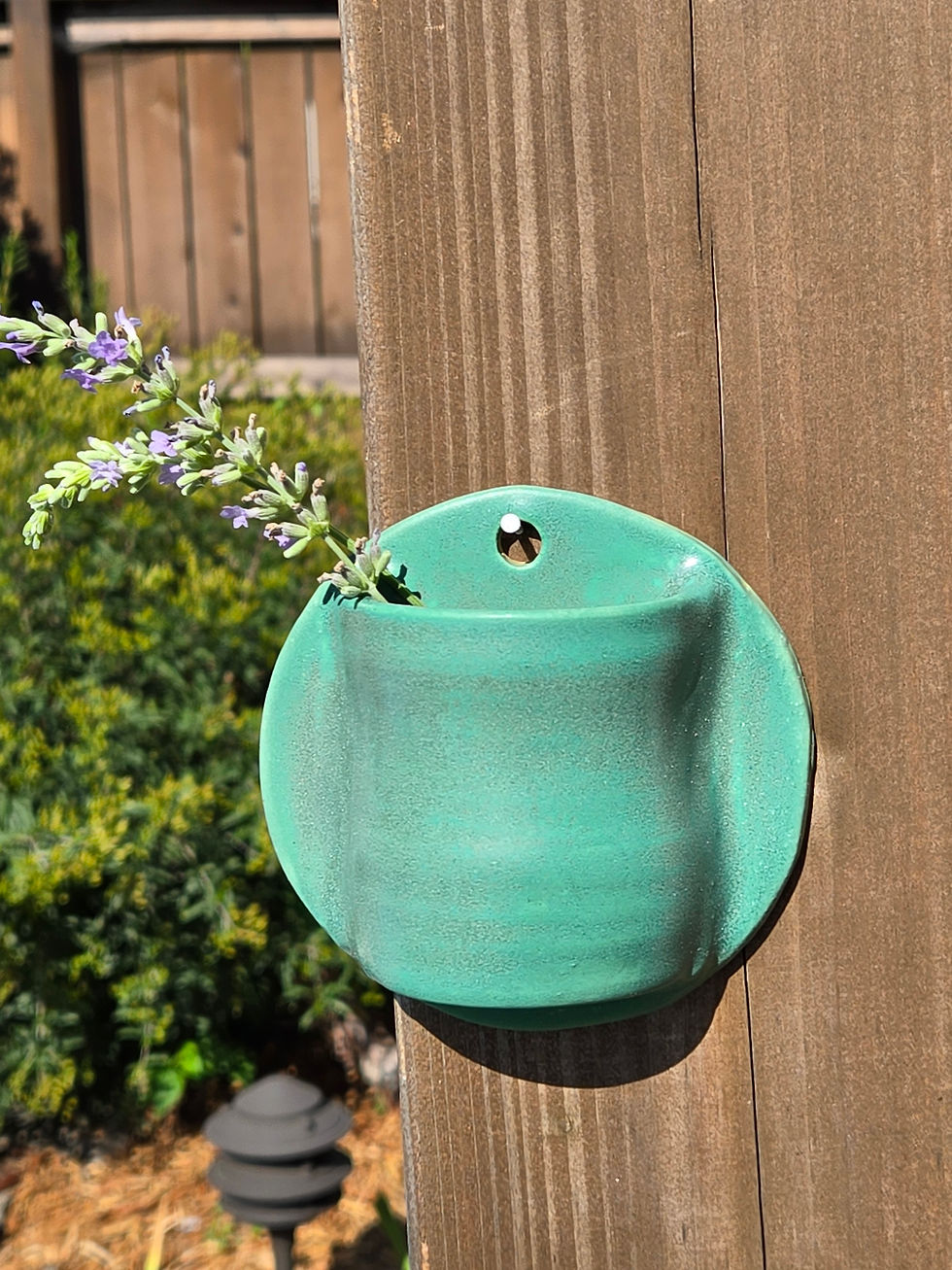
Slab pots are typically formed from a rolled out slab of clay.  They can have a rustic look or a very refined look.  

a few Methods of creating pottery, that I use, explained briefly (there are many more to explore)
20260520_094133.jpg

Kurinuki is an ancient Japanese style of pottery where the potter uses a block of clay and scrapes away the interior and exterior to reveal the vessel.  This type of pottery can be made to resemble the side of a mountain or boulder.

kurinuki

Pottery Crafting Hands

Pinch pots are most often created by simply pinching some clay to create forms that can range from simple to extremely complex.  Pinch pots can be where most beginners start their clay journey, as it is one of the easiest ways to go from clay ball to formed pot.  Often the potter's fingerprints can be seen or felt on the pot, giving a rustic appearence.

pinch pots

20260520_092621.jpg

Coiling is the method of using rolled snakes of clay that are placed one on top of another to create the desired shape or vessel.  These pots can be rustic or extremely elegantly refined.  Sometimes the potter may leave the coils visible, or smooth the pot so the coils are unseen; both can be beautiful.

coil pots

Pottery Wheel Crafting

wheel thrown

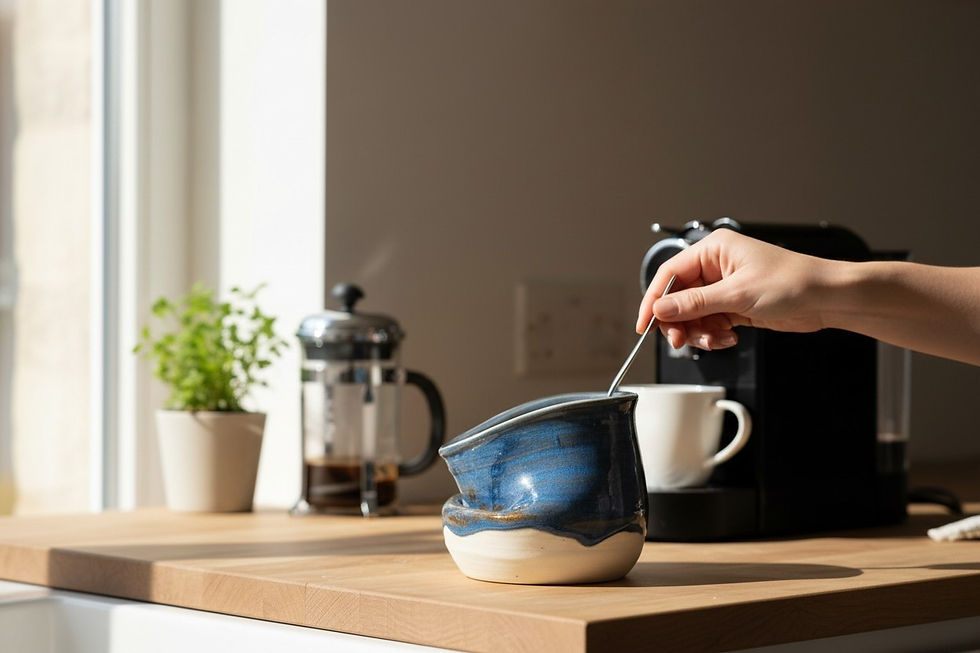
This is the method that is most often associated with pottery (think of the movie Ghost!).  The potter must work against gravity and the centrifugal force of the wheel to shape clay into pots.  

20260520_093929.jpg

Regardless of what method the potter chooses, most pots require two firings to be fully matured, or vitrified, for everyday use.  The first firing is known as bisque firing and the kiln can reach temperatures up to 1828 F.  The second firing, which is known as the glaze firing, temperatures can reach up to 2232 F in the kiln.  It is in the second firing when pots truly take on their gloss and shine, and are ready for use in your home.

Firing

20260318_102412.jpg

Piper

Studio Manager. Nothing happens in the studio without her approval.

1000027104.jpg

Finch

Quality Control. He might show up to work, or he might not.

1000017888.jpg

Mento

Agent of Chaos.  Assistant TO THE Studio Manager.  Likes destruction.

Meet the Studio Cats

bottom of page